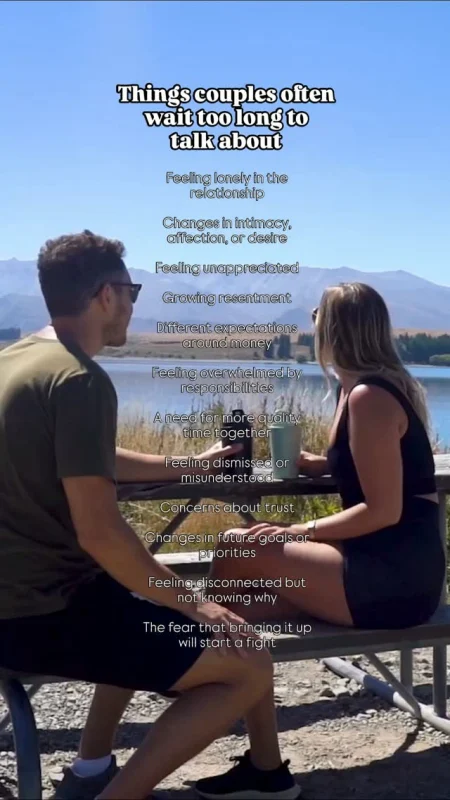







I start most first sessions with the same question: "What brought you here today?" The answers differ, but the concern underneath is consistent. Something feels off. A relationship that once felt steady now feels uncertain. One or both partners notice a shift they cannot explain clearly.
Trouble in a relationship rarely begins with one event. It develops over time. Small signals build. By the time couples reach me, the pattern has often been present for months or years.

- Ongoing communication breakdown, emotional distance, and persistent lack of intimacy can signal deeper disconnection
- Constant unresolved conflict, resentment, and trust issues often weaken the foundation of the relationship over time
- Disengagement, shifting priorities without alignment, and unhealthy coping mechanisms can create growing emotional gaps
- Avoidance of future planning may reflect uncertainty about long-term commitment or shared direction
- Recognizing warning signs early and seeking structured support can help couples address problems before they escalate
Recognizing early warning signs that your relationship might be in trouble gives you an advantage. When you identify what is happening, you can respond sooner. Here are ten signs I see most often in my work, along with what I share with couples in session.
Ten Signs Your Relationship is in Trouble
1. Communication has broken down
This is the most common issue I see. One married couple described their dynamic in the first session. She said, "We only talk about logistics. Who picks up the kids. What we are eating. That is all." He agreed. They had not discussed their feelings in over six months.
Communication breakdown shows up in clear ways. You avoid difficult topics. You feel defensive when your partner speaks. You stop sharing because it feels useless. These patterns signal that the connection between you is weakening. When couples stop talking about what matters, distance increases.
In sessions, I introduce a structured way to communicate. Each partner gets time to speak without interruption. This often improves communication within weeks.
2. Emotional distance is growing
Emotional distance often follows poor communication. You stop checking in. You ask about your partner’s day without interest. You move through daily life without feeling connected.
A long-distance couple described their experience as living separate lives that meet on weekends. They spoke daily, but their conversations stayed surface-level. When I asked when they last shared something vulnerable, neither could answer.
Emotional distance can be measured. I ask couples to rate their closeness on a scale of 1 to 10. Many struggling couples fall between 2 and 4. This gives a starting point and helps track change.
3. Intimacy has declined
Intimacy includes physical closeness and small daily moments. A hand on the shoulder. A hug when you walk in. Sitting close. Making eye contact. These moments maintain a connection.
A couple with young children told me they had not touched each other in months, outside of caring for the baby. They were exhausted. Physical closeness disappeared. We started with a five-minute daily ritual. Sitting together without phones. No agenda. Within a month, they felt more connected.
Changes in intimacy happen. Life gets busy. Stress affects connection. The concern arises when the decline continues and remains unaddressed.
4. Conflict has become constant
All couples argue. Research shows that even satisfied couples have ongoing disagreements. The concern begins when conflict spreads into every interaction.
One couple described their week. Monday, an argument about dinner. Tuesday, an argument about Monday. Wednesday, silence. Thursday, another argument. By Friday, both felt drained. The topics changed, but the pattern stayed the same.
Constant conflict often points to deeper issues. The arguments you see are symptoms. The goal in couples therapy is to identify what drives them.
5. Trust has been damaged
Trust builds through consistent behavior. It can be broken by one event, such as infidelity, dishonesty, or a broken promise.
One partner told me, "I analyze everything now. Every message. Every pause." This level of monitoring is common after trust is broken. It is also exhausting.
Rebuilding trust requires clear steps. The partner who broke trust needs to be fully transparent. Both partners need patience. Progress happens when both stay committed to the process.
6. Priorities have shifted apart
People grow over time. Problems arise when partners grow in different directions without awareness.
A couple experienced this after a long separation. One returned focused on career and fitness. The other built an independent routine. They no longer recognized each other’s daily lives.
I guide couples through an exercise called a shared priority map. Each partner lists their top personal and relationship priorities. We compare lists. This creates space for alignment and discussion.
7. Resentment is building
Resentment develops when issues remain unspoken. Each time you hold back, frustration builds.
I often notice resentment early in sessions. It appears in tone, body language, and how past events are described with strong emotion.
One partner moved across the country years earlier and never addressed the impact. That unresolved feeling showed up in unrelated arguments.
The way to prevent resentment is to speak openly. Express concerns early. Use clear language about your feelings, the situation, and what you need.
8. One or both partners are disengaging
Disengagement looks like withdrawal. You stop spending time together. You stop making plans. You stop participating in shared decisions.
Research shows couples who later separate often ignore each other’s small attempts to connect. These attempts are simple. "Look at this." "How was your day?" When these moments are missed repeatedly, the connection weakens.
One couple tracked these moments for a week. They noticed most attempts were not rejected; they were unnoticed. Awareness helped them shift the pattern.
9. Unhealthy coping patterns have emerged
When stress builds, people look for relief. Some stay at work longer. Some scroll on their phones. Some increase their alcohol use. Some withdraw emotionally.
One partner stayed late at work every night. He said it was for his career. In session, he acknowledged it felt easier than returning home to tension. His partner felt rejected. This increased tension, which led to more avoidance.
Recognizing this cycle is the first step to changing it.
10. Conversations about the future have stopped
Couples who feel secure talk about the future. Plans about living arrangements, children, or travel come up naturally.
When these conversations stop, it signals hesitation. One partner shared detailed future plans. The other avoided the topic. This imbalance pointed to unresolved concerns.
Avoidance often connects to fear or uncertainty. Naming it allows you to address it.
If a few of these feel familiar, it can help to talk it through with someone trained to spot what's underneath them.
What These Signs Have in Common
Across these signs, I see one pattern. A breakdown in vulnerability. Communication, distance, resentment, and disengagement all connect to the ability to share openly.
Progress begins when couples rebuild honesty. This requires effort and consistency. A therapist helps create a space where this becomes possible.
When to Seek Professional Support
Many couples say, "We should have come sooner." On average, couples wait years before seeking help. During that time, patterns become stronger.
You do not need a crisis to start. If you notice three or more of these signs, take it seriously. If one sign has lasted for months, that also matters.
At OurRitual, over 300 Experts work with couples across a wide range of challenges, communication problems, conflict resolution, trust, intimacy, and long-distance pressures. The platform combines sessions with tools you use between meetings, helping you apply what you learn in daily life.
Seven Things You Can Do This Week To Improve Your Relationship
- Name what you see
Review the ten signs together. Identify which ones apply. - Rate your emotional closeness
Each partner rates the connection on a scale of 1 to 10. Share and compare. - Reintroduce one daily ritual
Choose a simple action. A check-in. A longer hug. Sitting together without screens. - Track bids for connection
Notice when either of you reaches out. Pay attention to what gets missed. - Write one unspoken concern
Use clear language. State your feelings, the situation, and what you need. - Create a shared priority map
List personal and relationship priorities. Compare and discuss. - Schedule a therapy session
If these steps bring up strong reactions, outside support helps.
A Perspective from My Practice
Every couple who seeks help has taken an important step. The signs in this article are signals. They point to areas that need attention. Responding early creates better outcomes.
The methods described here work. I have seen them help many couples. If you want guidance, starting this process this week is a practical step forward.




.avif)
.avif)
.avif)
.avif)
.avif)