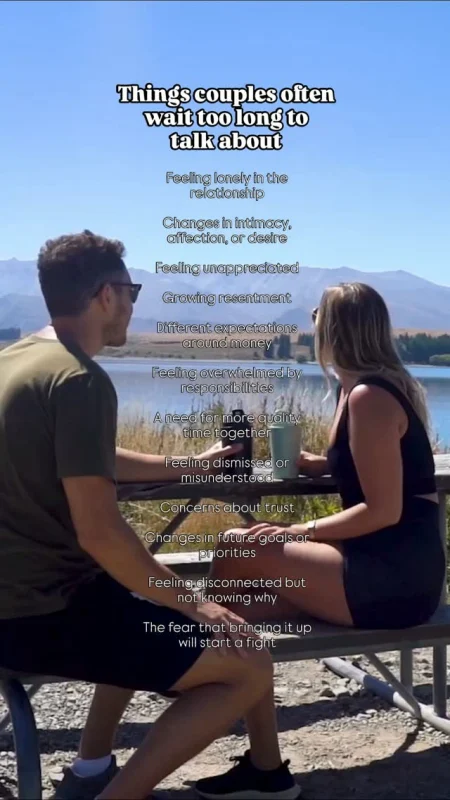






I have worked with hundreds of couples over the years. Many arrive at their first session saying the same thing, “We fight all the time.” When I ask how long this has been happening, the answer is often months or years. High-conflict patterns build over time. By the time couples seek help, the pattern feels fixed.
The pattern is not fixed. I say this because I have seen couples who struggled to sit through a full session learn to disagree more calmly. The first step is recognizing what high conflict looks like. The second is understanding what drives it. The third is taking clear action.

- High-conflict couples experience frequent, emotionally intense arguments that escalate quickly and rarely lead to resolution
- Blame, defensiveness, and repeated fights over minor issues often signal deeper unresolved patterns beneath the surface
- Breaking the cycle begins with self-reflection, open communication, and a willingness to take responsibility for your part
- Learning conflict resolution skills, setting clear boundaries, and seeking professional support can help transform a high-conflict dynamic into a more stable and respectful partnership
This article walks through all three.
Let’s look at the signs of a high-conflict couple and how to address conflict more productively.
Five Signs You Are a High-Conflict Couple
- Arguments happen often and escalate quickly
Every couple argues. Research shows that even satisfied couples disagree often. The difference is how fast things escalate. In high-conflict relationships, a small comment turns into a full argument within seconds. I’ve seen a couple move from calm to shouting in under a minute over a grocery list.
If your arguments shift from the topic to personal attacks or past issues within the first few exchanges, take note. That pattern signals a deeper issue.
- Emotions feel overwhelming during disagreements
High-conflict couples often experience emotional flooding. Your heart rate rises above 100 beats per minute. Your hands shake. You feel heat in your chest or face. At this point, the part of your brain responsible for reasoning and empathy shuts down. You shift into fight or flight.
A couple I worked with described their arguments as “zero to 100.” One partner raised a concern. The other felt criticized. Within seconds, both were yelling. Neither remembered what started the argument. This is what flooding looks like.
- Blame replaces accountability
I ask every couple, “When something goes wrong, what happens next?” High-conflict couples often respond with blame. “He started it.” “She always does this.” “If he stopped doing this, we would be fine.”
Blame protects you from discomfort. It also blocks resolution. I worked with a couple who each believed the other caused every argument. When I asked each of them to name one thing they did that made the last argument worse, there was silence. That moment marked the start of change.
- The same arguments repeat without resolution
If you have had the same argument many times without progress, you are in a conflict loop. Couples describe this as “going in circles.”
A co-parenting couple I worked with argued about bedtime routines every week for over two years. Same words. Same outcome. When I mapped the pattern during a session, they saw how predictable it had become. Awareness is the first step toward change.
Couples often wait a long time before seeking help with this. In OurRitual's research, 73% rated conflict as urgent, but by that point, most had been in the pattern for months or years. Recognizing the loop is exactly the kind of awareness that accelerates change.
- Small issues lead to large reactions
Snoring. A cabinet left open. A delayed reply. In a stable relationship, these stay small. In a high-conflict relationship, they trigger long arguments.
These reactions point to deeper concerns, such as feeling ignored or disrespected. One couple argued about how the dishwasher was loaded. The real issue was feeling dismissed. Once we named that, the arguments changed.
A note on safety. Physical, psychological, or sexual harm is abuse, not high conflict. If you are experiencing harm, seek support immediately.
What Drives High-Conflict Patterns
High conflict often connects to underlying issues. Understanding these helps address the root of the pattern.
Unprocessed attachment injuries
Past experiences such as betrayal, infidelity, or feeling abandoned leave a lasting impact. These moments show up in future disagreements. I have worked with couples who traced their conflict back to one key event. Until that event was addressed, the pattern continued.
Mismatched communication styles
One partner thinks out loud. The other needs time. One wants to resolve issues quickly. The other needs space. These differences are normal. Conflict grows when partners do not understand each other’s style.
I worked with a long-distance couple who argued during nightly calls. One wanted immediate discussion. The other felt pressured. Once they created a structure for conversations, arguments decreased within weeks.
Eroded trust
Trust weakens over time through inconsistency, broken promises, or lack of follow-through. When trust is low, small moments feel loaded. A missed message feels like rejection. A late arrival feels suspicious.
How to Address High Conflict: A Therapist’s Approach
Start with self-reflection
Before your next argument, ask yourself three questions. What am I feeling? What do I need? What is my role in this pattern?
Many people answer the first question easily. The second takes effort. The third creates change.
One couple resisted this exercise at first. After two weeks of journaling, both partners returned with clear insights about their own behavior. That session marked a shift in their dynamic.
Build a communication structure
The skills couples most want to build tell us where to start. In OurRitual's research, 74% of people working on conflict said staying calm and grounded in tough moments was their top priority, and 61% said better understanding their partner's point of view was their main goal. Both of those skills are built through structured conversation, not open-ended arguments.
High-conflict couples benefit from structure. Open-ended conversations often derail.
Use a simple approach. One partner speaks for a few minutes using “I” statements. The other listens and reflects back. Then switch roles.
I used this with a couple who reported daily arguments. Within weeks, arguments became less frequent and more productive.
Learn to take a time-out correctly
Many couples try to take breaks during conflict, but do so abruptly.
A structured time-out includes three steps. Name what is happening. State your need for a break. Commit to returning.
For example, “I feel overwhelmed. I need 20 minutes. I will come back to finish this conversation.”
Identify your conflict type
Research shows that many relationship conflicts are ongoing. These reflect differences in values or personality.
Sort your conflicts into two categories. Problems with clear solutions. Differences that require ongoing understanding.
This shift changes how you approach each issue.
Seek professional support
If conflict patterns have been present for a long time, outside support helps. A trained therapist provides structure and guidance.
I have seen couples who struggled to make eye contact learn to handle difficult conversations within a few months of consistent work.
At OurRitual, Experts support couples across a wide range of challenges, including communication, trust, boundaries, and intimacy. The platform combines sessions with structured tools to support progress between sessions.
What You Can Do Between Sessions
Work outside of sessions matters. One hour a week is not enough on its own. Change happens through consistent practice.
Between sessions, structured therapy exercises reinforce new skills. One couple I worked with practiced a de-escalation exercise between sessions and noticed a shift before we met again. Consistency leads to progress. Small daily efforts add up.
Six Steps to Start Reducing Conflict Today
- Track your triggers for one week. Write down what started each argument, what you felt, and how it ended.
- Practice structured time-outs. Name the feeling. Take a break. Return to the conversation.
- Replace blame with ownership. Identify one behavior of your own that contributes to conflict. Say it out loud.
- Use “I” statements for one week. Focus on your experience rather than your partner’s actions.
- Sort your conflicts. Separate solvable problems from ongoing differences.
- Schedule a weekly check-in. Set aside 20 minutes to talk about your relationship using a structured format.
A Final Perspective from My Practice
High conflict feels exhausting. Many couples feel stuck and unsure how to move forward.
High conflict is a pattern. Patterns change with consistent effort. I have seen couples shift their dynamic even after years of repeated arguments.
The tools are clear. Learn them. Practice them. Stay consistent. Support from a skilled therapist often speeds up the process.

.avif)

.avif)
.avif)
.avif)
.avif)
.avif)